Hybrid Chestnut vs Black Walnut for Timber

Last Updated: November 12, 2026
Quick Summary
Hybrid chestnut grows fast and reaches sawlog size in fewer years, while black walnut grows slower but earns higher board-foot prices for veneer and furniture. Plant them apart, since black walnut roots release juglone that suppresses many plants, and space Purdue 1 walnut 30 to 40 feet apart.
- Black walnut heartwood is prized for furniture and veneer, and Purdue 1 is bred for straight form and consistent timber.
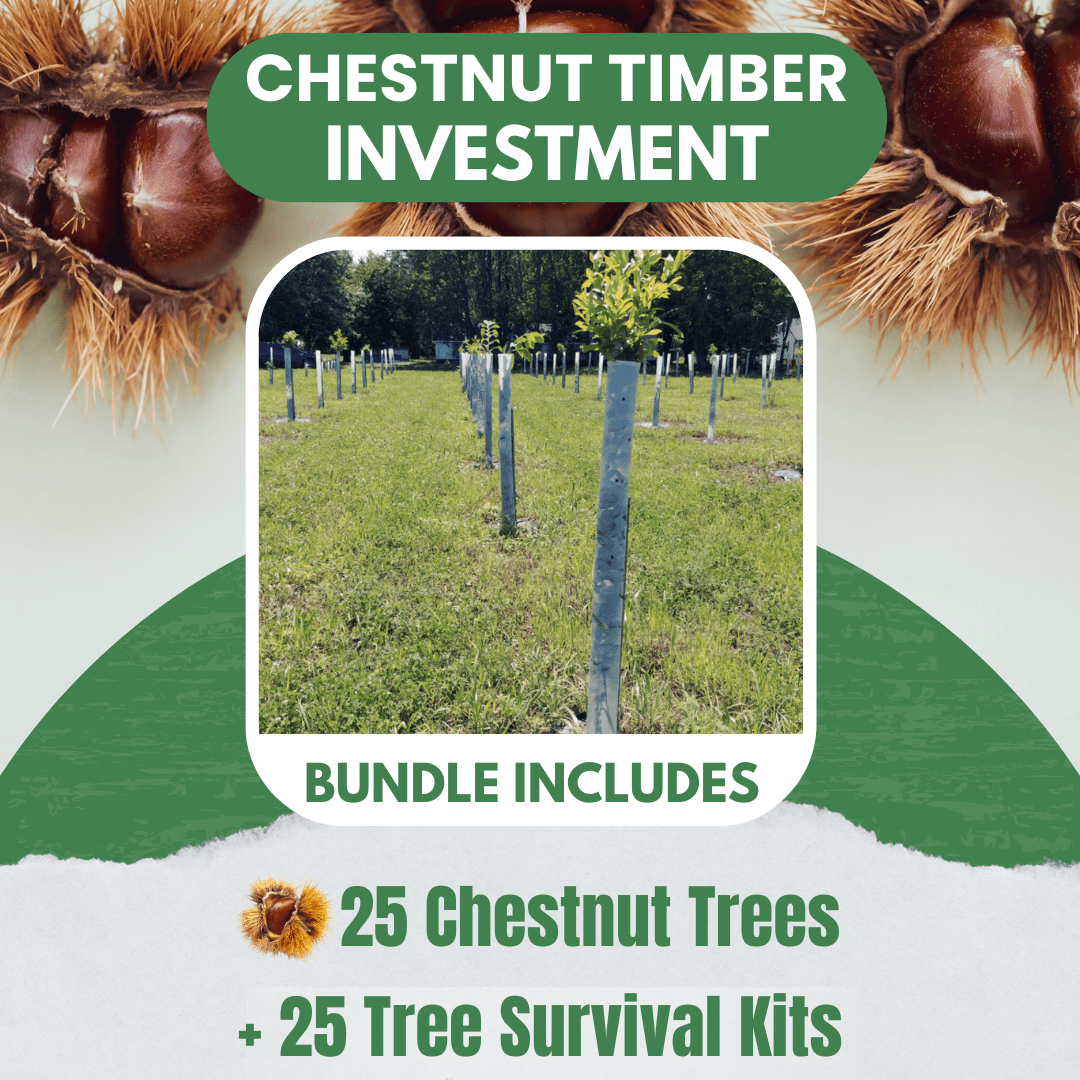
- The Chestnut Timber Investment Bundle costs $700.00 and includes 25 trees and 25 survival kits.
- Plant hybrid chestnut and walnut apart because juglone from walnut roots and leaves suppresses many plants.
- Plant walnut in full sun with deep, fertile, well-drained soil, spaced 30 to 40 feet apart.
- A one-year tree guarantee is included when you purchase a Tree Survival Kit with your trees.
Table of Contents
- Hybrid Chestnut Growth Rate and Black Walnut Timber Value Per Board Foot
- Juglone Tolerance in Chestnut Trees and Site Selection
- Choosing Your Timber Trees at Morse Nursery
- Frequently Asked Questions
Hybrid Chestnut Growth Rate and Black Walnut Timber Value Per Board Foot
Choosing between a hybrid chestnut and a black walnut for timber comes down to speed versus scarcity: hybrid chestnuts grow fast, while black walnut grows slower but commands higher board-foot prices. Black walnut heartwood is prized for furniture and veneer, and Purdue #1 is bred for straight form and consistent timber. Long-term investment strategies often require balancing these domestic hardwoods against exotic alternatives like those discussed at RedGoldAgro to ensure a diversified timber portfolio.
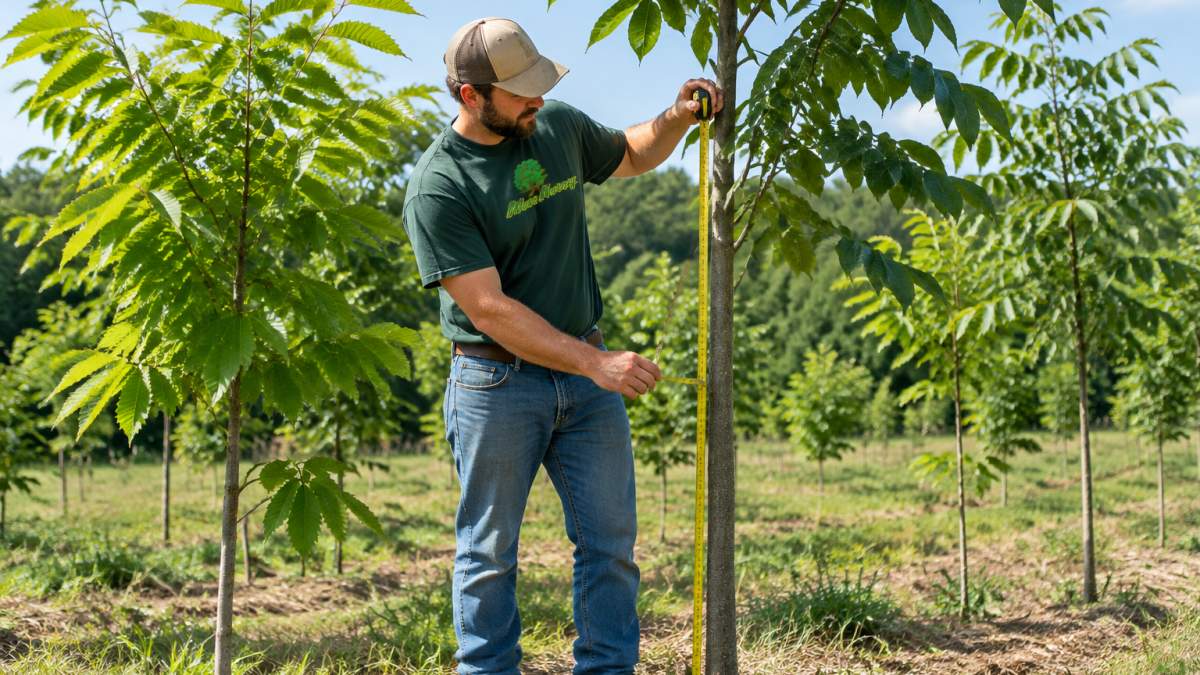
| Factor | Hybrid Chestnut | Black Walnut |
|---|---|---|
| Growth rate | Fast | Moderate to fast |
| Years to sawlog | Fewer | More |
| Typical use | Timber plus wildlife mast | Veneer, furniture |
The Chestnut Timber Investment Bundle at $700.00 includes 25 trees and 25 survival kits. See our hybrid chestnut buyer's guide, shop the Timber Hybrid Chestnut Tree, or browse the Purdue #1 Black Walnut Tree.
Juglone Tolerance in Chestnut Trees and Site Selection
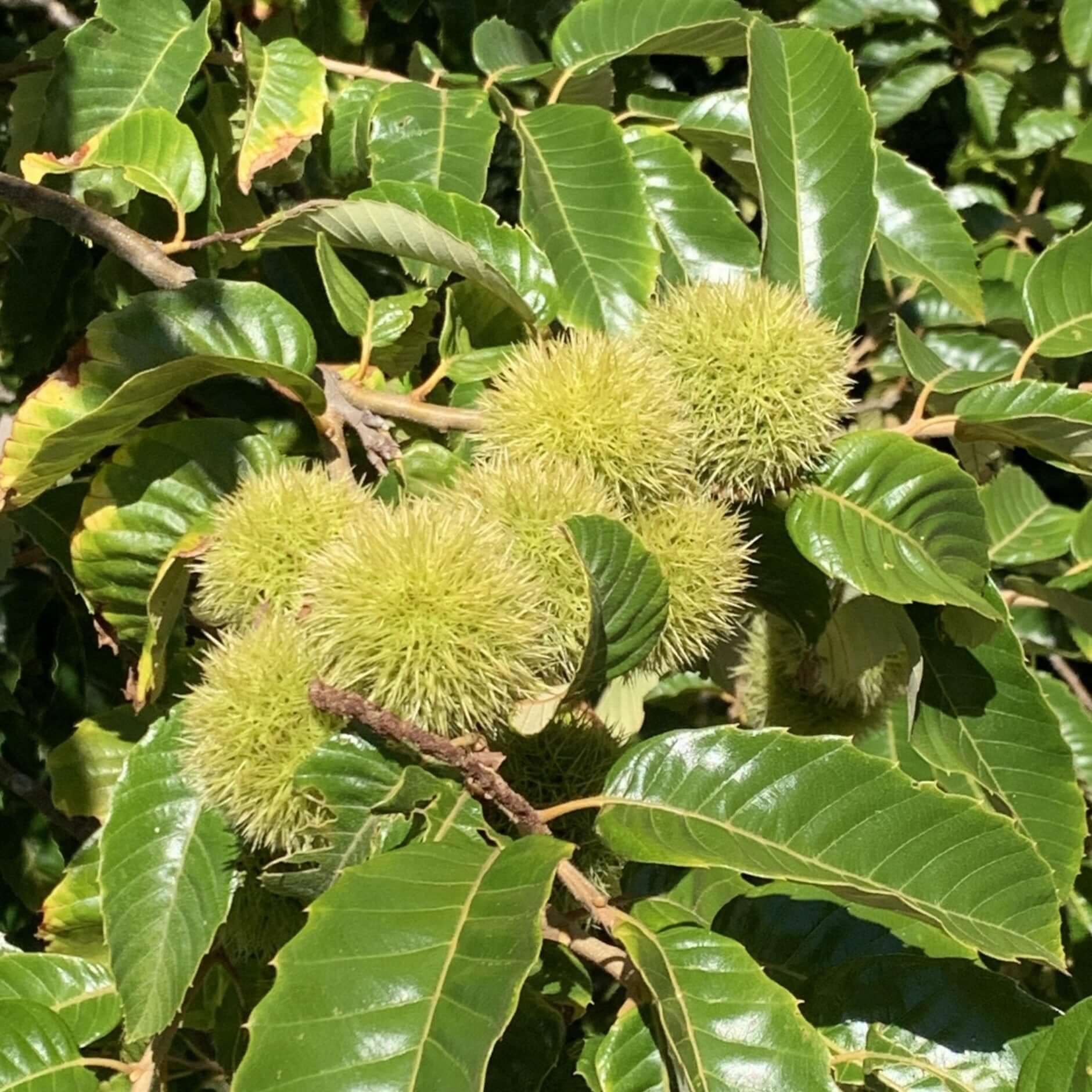
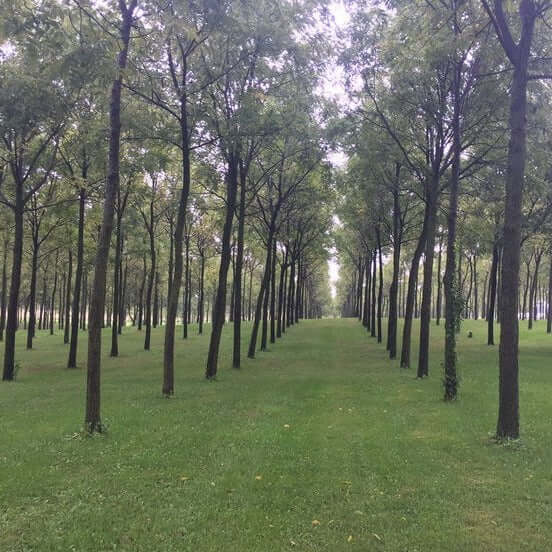
Juglone, released by black walnut roots and fallen leaves, suppresses many plants, so plant hybrid chestnut and walnut apart. Walnut is planted in full sun with deep, fertile, well-drained soil, and the Purdue #1 listing recommends spacing 30 to 40 feet apart. Our landowner's guide to planting hybrid chestnuts for timber covers spacing and site prep.
Choosing Your Timber Trees at Morse Nursery
For timber plus wildlife food, the Timber Hybrid Chestnut Tree fits; for long-term timber value, Purdue #1 black walnut is an option. Our Chestnut Timber Investment Bundle pairs 25 trees with 25 survival kits. A one-year tree guarantee is included when you purchase a Tree Survival Kit with your trees.
The hardest part is choosing, not planting. Morse Nursery helps landowners pick the right timber tree with free planting consultations, air-pruned stock built for strong roots, and a one-year survival guarantee with qualifying Survival Kits. Get started with Morse Nursery and plant a timber stand that pays off for decades.
Frequently Asked Questions
Is hybrid chestnut timber as valuable as black walnut?
Black walnut is prized for veneer and fine furniture. Hybrid chestnut grows fast, and its heartwood is valued for timber use. A landowner planting for maximum per-log value leans walnut; one who wants usable timber sooner and steady nut drops for deer often chooses hybrid chestnut.
How does juglone toxicity affect planting chestnut near black walnut?
Black walnut roots and debris release juglone, which suppresses many plants. Juglone suppresses many plants, so avoid planting hybrid chestnut close to black walnut.
Which species offers a faster return on investment for timber?
Hybrid chestnut is listed as a fast-growing hardwood, while Purdue #1 black walnut is listed as moderate to fast growing. Plant chestnut if cash flow or wildlife food matters sooner; plant walnut if you can wait for premium stumpage. Many landowners plant both to spread the risk.