Are Hybrid Chestnut Trees Worth It? A Buyer's Guide

Last Updated: November 2, 2026
Quick Summary
Yes, for most landowners with a clear goal, hybrid chestnut trees are worth it. A hybrid chestnut crosses the American chestnut with the Chinese chestnut to combine the American tree's tall form and sweet nuts with the Chinese tree's blight resistance. Wildlife habitat and food plots are almost always yes.
- Hybrid chestnuts typically reach 30 to 60 feet tall with a 25 to 40 foot spread.
- Chinese Chestnut listings note nut production within 3 to 6 years of planting.
- Plant at least two, preferably three, compatible trees because cross-pollination is required.
- Variety prices range from $19.99 to $32.50, with the Morse Hybrid Chestnut at $30.00.
- Blight resistance is tolerance, not immunity, so a hybrid can still be infected.
Table of Contents
- Are Hybrid Chestnut Trees Worth It? The Short Answer
- Hybrid Chestnut Growth Rate and the Dunstan Comparison
- Blight Resistant Chestnut Trees for Sale: What to Check Before You Buy
- Hybrid Chestnut Tree Planting Guide: Site, Spacing, and Pollination
- What Hybrid Chestnuts Cost and What You Get Back
- Maintenance and Failure Risks After Planting
- Frequently Asked Questions
Are Hybrid Chestnut Trees Worth It? The Short Answer
Yes, for most landowners with a clear goal, hybrid chestnut trees are worth it. A hybrid chestnut crosses the American chestnut (Castanea dentata) with the Chinese chestnut (Castanea mollissima) to combine the American tree's tall form and sweet nuts with the Chinese tree's blight resistance.
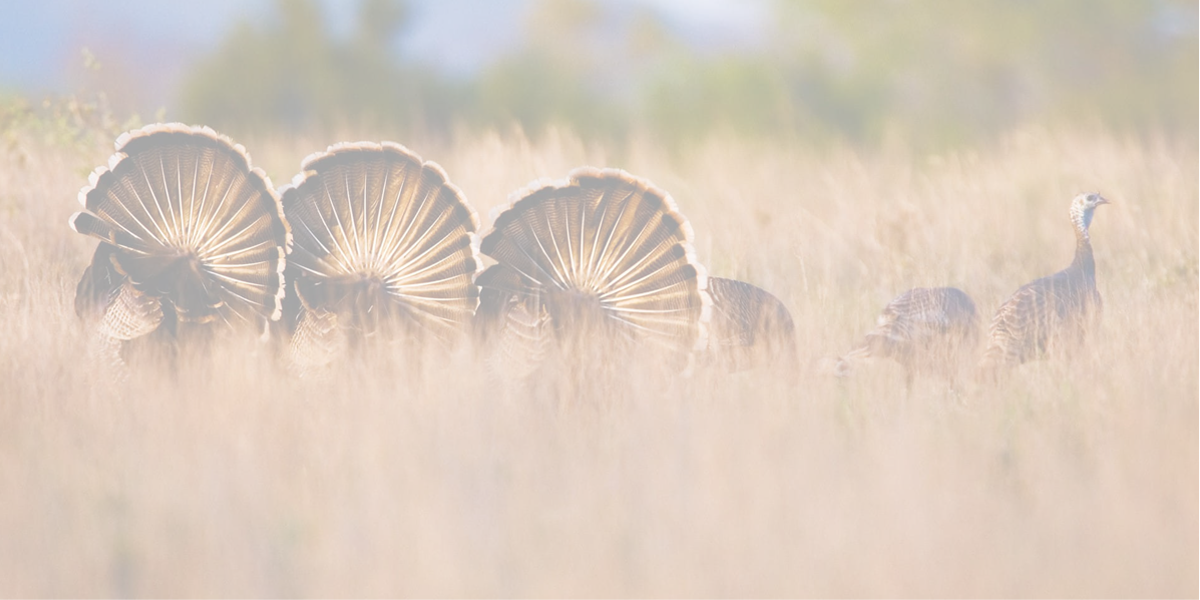
"Worth it" depends on your goal: wildlife habitat and food plots are almost always yes. A blight-resistant hybrid delivers survival past the blight years, faster nut production, and a nut drop timed to hunting season. If you're planting for deer, see how many chestnut trees it takes to feed one buck.
Your Goal |
Worth It? |
Why |
|---|---|---|
Deer and turkey food plot |
Yes |
Early and reliable nut drop, high energy per nut |
Long-term mast orchard |
Yes |
Decades of production from a single planting |
Commercial nut harvest |
Yes |
Fast Growing, high quality seed production |
The honest limitation: if your only goal is restoring the pure American chestnut, hybrids are not that tree.
Hybrid Chestnut Growth Rate and the Dunstan Comparison
Growth rate is where hybrids earn their keep: most grow fast under good conditions. Our Morse Hybrid Chestnut is listed with very fast growth and heavy yields, and the Chinese Chestnut listing notes nut production within 3 to 6 years of planting. Height at maturity runs 30 to 60 feet with a 25 to 40 foot spread, and the nut drop lands September through October.
American Chestnut Foundation breeding program overview
If you want a Dunstan-style option with a smaller nut, our Gobbler Chestnut has dime- to nickel-sized nuts that suit turkeys as well as deer. For how blight resistance is actually bred in, read why chestnut trees resist blight before comparing hybrids.

Side Note: growth-rate claims assume full sun and well-drained soil. Plant a hybrid in heavy clay or shade and you'll get a fraction of the advertised growth.
Blight Resistant Chestnut Trees for Sale: What to Check Before You Buy
Blight resistance is the phrase that sells chestnut trees and the one most often misunderstood. Resistance is not immunity: a blight-tolerant hybrid can still be infected by the chestnut blight fungus.
USDA Plant Hardiness Zone Map
Our chestnut tree collection lists zone, height, spread, and drop timing for every variety.
Hybrid Chestnut Tree Planting Guide: Site, Spacing, and Pollination
Site selection decides more outcomes than variety choice. Chestnuts want full sun, well-drained soil, and room to spread, and they will punish you for planting them anywhere wet.
- Test drainage first. Dig a hole, fill it with water, and check drainage; standing water after 24 hours means the spot is wrong.
- Pick full sun. Six or more hours of direct light per day.
- Space correctly. Most hybrids need 25 to 40 feet between trunks at maturity.
- Plant in pairs or groups. Cross-pollination is required, so plan at least two, preferably three, compatible trees.
- Protect the trunk. Tree tubes guard against deer browse, the most common cause of first-year failure.
- Water the first two seasons. Water during dry periods for the first one to two years.
Watch out: planting a single chestnut is the most common mistake we see. One tree can grow beautifully for years and never produce a nut without a second tree to pollinate it.
Our Morse Hybrid Chestnut is $30.00. When purchased with the optional Tree Survival Kit, it activates the one-year replacement guarantee.

What Hybrid Chestnuts Cost and What You Get Back
Variety |
Price |
Zones |
Nut Drop |
Growth Rate |
|---|---|---|---|---|
Chinese Chestnut |
$19.99 |
4-8 |
September-October |
Moderate to fast |
Morse Hybrid Chestnut |
$30.00 |
4-9 |
September-October |
Very fast |
October Drop Hybrid |
$32.50 |
4-8 |
October-November |
Fast |
The price range for these varieties runs from $19.99 to $32.50. For early archery season, the August Drop American Hybrid Chestnut Tree at $28.00 puts food on the ground before pressure builds. For the rut, the October Drop American Hybrid Chestnut Tree at $32.50 holds deer later.

Maintenance and Failure Risks After Planting
The biggest risks are deer browse on young trunks, competition from grass and weeds at the base, and drought during the first summer, all manageable with a tube, a weed mat, and a hose.
Long-term, blight remains the wild card. A resistant hybrid can still show infection under heavy pressure, especially where wild American chestnuts nearby are carrying the fungus. Choosing stock with strong Chinese ancestry and good generation depth reduces that risk. Penn State Extension chestnut blight fact sheet
Frequently Asked Questions
How fast will a hybrid chestnut tree grow?
Growth depends on the variety and site. Morse Nursery lists its Morse Hybrid Chestnut and August Drop and October Drop hybrids as fast to very fast growing, reaching 30 to 60 feet at maturity. Expect the fastest growth in full sun on well-drained sandy or loamy soil with watering during the first one to two years. Poor drainage and shade will slow any hybrid chestnut considerably, no matter how good the genetics are.
Are hybrid chestnuts as blight-resistant as Chinese chestnuts?
Pure Chinese chestnuts carry the strongest natural resistance, which is why Morse Nursery sells them as a blight-resistant option. Hybrid chestnuts inherit resistance from their Chinese parent but the level varies by generation and backcross. Morse Nursery describes its hybrids as blight-tolerant or blight-resistant. Resistance and immunity are not the same thing, so treat any hybrid as lower risk rather than zero risk, and expect some variation between individual trees.
How many hybrid chestnut trees do I need for nut production?
Plant at least two. Morse Nursery states that its Morse Hybrid Chestnut requires a second chestnut tree for cross-pollination, and its Chinese Chestnut listing recommends planting at least three for cross-pollination and heavier nut yields. Chestnuts are not self-fertile, so a single tree will grow but produce little to no nut crop. Space trees 25 to 40 feet apart so the canopies reach maturity without crowding, and plant them in full sun where possible.
The hardest part of planting chestnuts isn't the tree; it's picking the right variety for your ground and your goal before you order. That's where we come in. Morse Nursery offers free planting consultations, genetically selected air-pruned stock, and a one-year replacement guarantee when you pair your trees with a Survival Kit. Get started with Morse Nursery and build a mast planting that feeds deer and turkeys for decades.