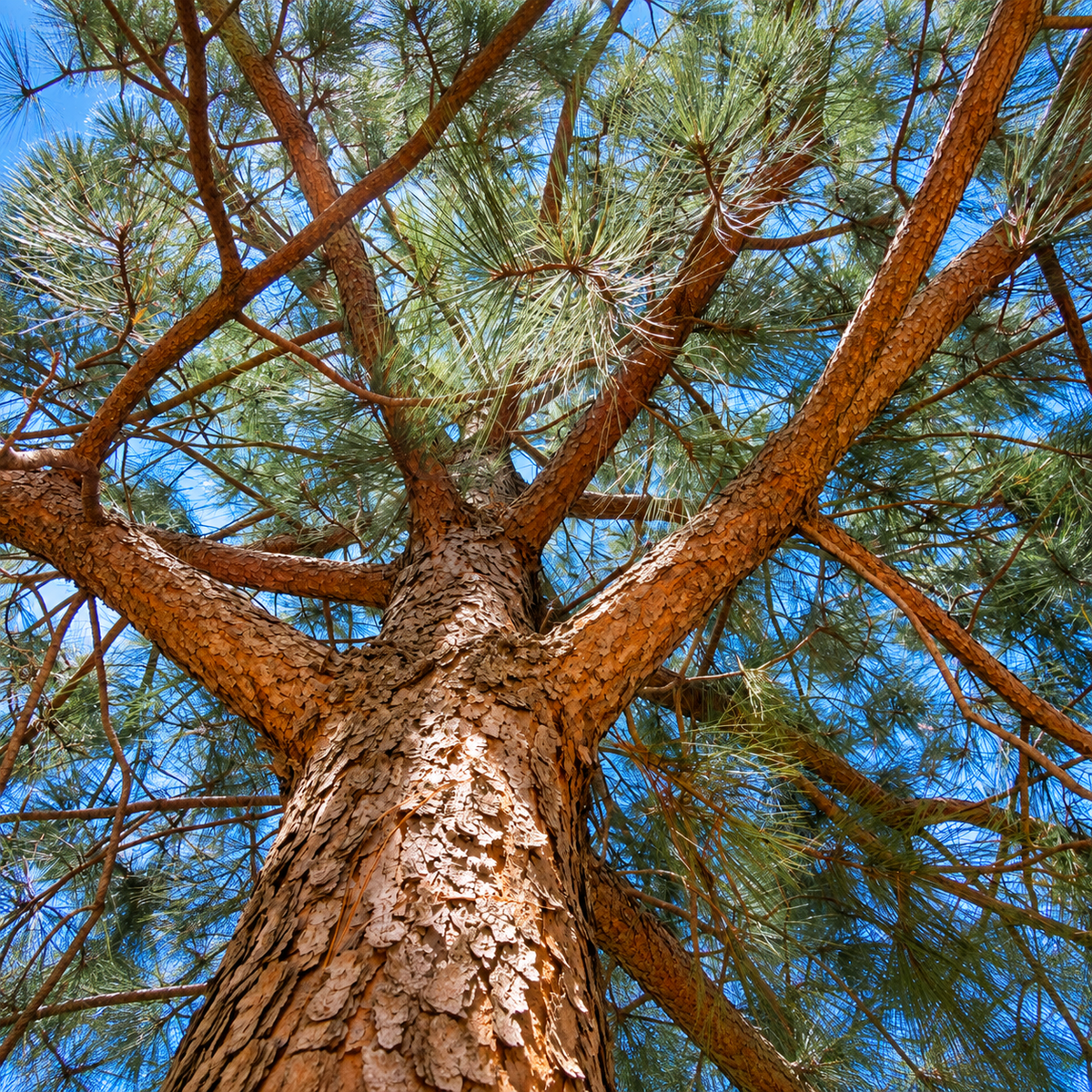
🌲 White Pine (Pinus strobus)
Zones: 3–7 | Height: 50–80 ft (up to 100+ ft) | Spread: 20–40 ft | Growth Rate: Fast (typically 1–2+ ft/year)
Light: Full sun to partial shade | Soil: Well-drained, sandy, loamy, slightly acidic
Primary Use: Wildlife bedding, thermal cover, privacy screens, windbreaks, and habitat improvement
🏞️ Product Description:
The White Pine, also known as Eastern White Pine, is one of North America's most recognizable native evergreens and an excellent choice for creating year-round wildlife cover. Known for its soft, blue-green needles, rapid growth, and towering mature height, White Pine provides a natural solution for landowners looking to establish bedding areas, windbreaks, and privacy screens.
Unlike deciduous trees that lose their leaves each fall, White Pine maintains its foliage throughout winter, providing valuable protection from wind, snow, and harsh weather. Whether you're improving deer habitat, screening a property boundary, or establishing long-term evergreen cover, White Pine delivers beauty, function, and lasting habitat value.
🦌 Natural Bedding Cover That Holds Wildlife:
White Pine is an excellent addition to whitetail habitat, particularly when planted in groups or larger blocks. Its evergreen branches help reduce wind exposure and create sheltered environments where deer can bed, travel, and escape harsh winter conditions.
White Pine also provides shelter and nesting habitat for wild turkeys, songbirds, and other wildlife, making it a valuable addition to a diverse property.
🌳 Why Grow White Pine?
-
Fast-growing native evergreen — typically grows 1–2+ feet annually under favorable conditions
-
Excellent wildlife cover — provides winter shelter, bedding protection, and overhead screening
-
Year-round privacy — maintains evergreen foliage throughout all four seasons
-
Cold-hardy — thrives throughout USDA Zones 3–7
-
Adaptable to different soils — performs well in sandy, loamy, and well-drained sites
-
Natural windbreak — helps reduce wind exposure for wildlife and surrounding habitat
-
Long-term habitat investment — a native conifer capable of providing benefits for generations
🛡️ Protect Your White Pines — Build Better Bedding Cover
Deer can severely damage or destroy young White Pines through repeated browsing. At Morse Nursery, we highly recommend using our 30" Tree Tubes to protect young trees while encouraging lower branch development.
Unlike traditional 60" tubes, our 30" tubes allow branches to begin spreading above the shorter protective barrier, helping establish evergreen cover closer to the ground.
The goal? A dense canopy with lower branches beginning around 30"-48" high, creating sheltered bedding space beneath the trees while providing overhead protection from wind, snow, and harsh winter conditions.
For landowners focused on whitetail habitat, protecting young White Pines is essential to establishing healthy trees and effective long-term thermal bedding cover.
🛠️ Planting Tips:
-
Spacing: Plant 8–12 ft apart for wildlife screening or 12–20 ft apart for more open, long-term growth
-
Sunlight: Full sun produces the best growth and density, although young trees tolerate partial shade
-
Soil: Prefers slightly acidic, well-drained soils; avoid locations with prolonged standing water
-
Watering: Water during extended dry periods throughout the first two growing seasons
-
Protection: Use our 30" Tree Tubes to help prevent deer browsing and protect young growth
-
Habitat Design: Plant in clusters or staggered rows to establish bedding blocks, travel corridors, and visual barriers
🌲 Morse Nursery Habitat Tip: For the best wildlife bedding results, plant White Pines in groups rather than individual scattered trees. Combining White Pine with Norway Spruce, native shrubs, and other habitat plantings creates a more diverse evergreen cover system that offers both overhead protection and low-level screening.
🌿 Summary:
White Pine is a fast-growing, cold-hardy native evergreen that provides excellent wildlife cover, natural screening, and long-term habitat value. Whether you're establishing new bedding areas, creating privacy along property boundaries, or improving winter protection for deer and other wildlife, White Pine is a dependable addition to your land management strategy.
Fast growth. Year-round cover. Better wildlife habitat.