Essential Planting Aids for Fruit Trees: 7 Tools That Matter

Quick Summary
Planting aids are protective tools like support stakes, tree tubes, weed mats and slow-release fertilizer packs that help a young fruit tree survive its first few years. They guard against wind, deer browse, weed competition and poor nutrition, so the tree can put its energy into roots and growth.
- Most losses happen in the first growing season, so early protection pays off.
- Use 60-inch tree tubes on deer-heavy properties to guard against browse and rubbing.
- Drive support stakes 14 to 16 inches into the ground beside the trunk.
- Place one slow-release fertilizer pack per inch of trunk caliper in the planting hole.
- Avoid bamboo stakes with tubes 36 inches or taller, because they do not last long enough.
Table of Contents
Why Planting Aids Matter for New Fruit Trees
A young fruit tree has a hard first few years. Wind rocks it, deer browse it, and dry spells starve its roots. Planting aids protect the tree during that window. According to the USDA Forest Service, USDA Forest Service tree planting guidance recommends protecting new plantings from browse and competition, which is why these tools matter. At Morse Nursery, we see the difference these small investments make once a tree is in the ground.
Think of planting aids as insurance. A small amount of protection can help a tree that would otherwise struggle. The goal is simple: give the tree a steady start so its energy goes into roots and growth instead of survival.
- Wind protection keeps the trunk from rocking and tearing new roots
- Browse guards stop deer from stripping bark and buds
- Weed mats cut competition for water and nutrients
- Fertilizer packs feed roots slowly over the first season
Most losses happen in the first growing season. Protecting the tree early pays off for decades. University extension guide on young tree establishment explains how early care shapes long-term tree health.
Tree Planting Equipment List: What You Need on Planting Day
Gather your tools before you dig. Having everything ready keeps the roots from drying out while you work.
Core planting-day kit:
| Item | Purpose | Best For |
|---|---|---|
| Tree support stakes | Keeps the tree upright | All trees, especially windy sites |
| 60" tree tubes | Guards against deer and wind | Deer-heavy properties |
| Weed mats | Blocks competing weeds | Open lawns and fields |
| Slow-release fertilizer | Feeds roots over time | Newly planted trees |
| Pruning shears | Trims damaged roots and branches | Bare-root trees |
Our Tree Support Stakes are sized to match their tubes, so the tube sits firmly without extra searching for the right length. The 60" Tree Tubes protect the trunk from browse and rubbing. The Weed Pro Weed Mats help hold moisture in the soil while keeping weeds down. Nutra Pro slow-release packs go directly into the planting hole, one pack per inch of trunk caliper.
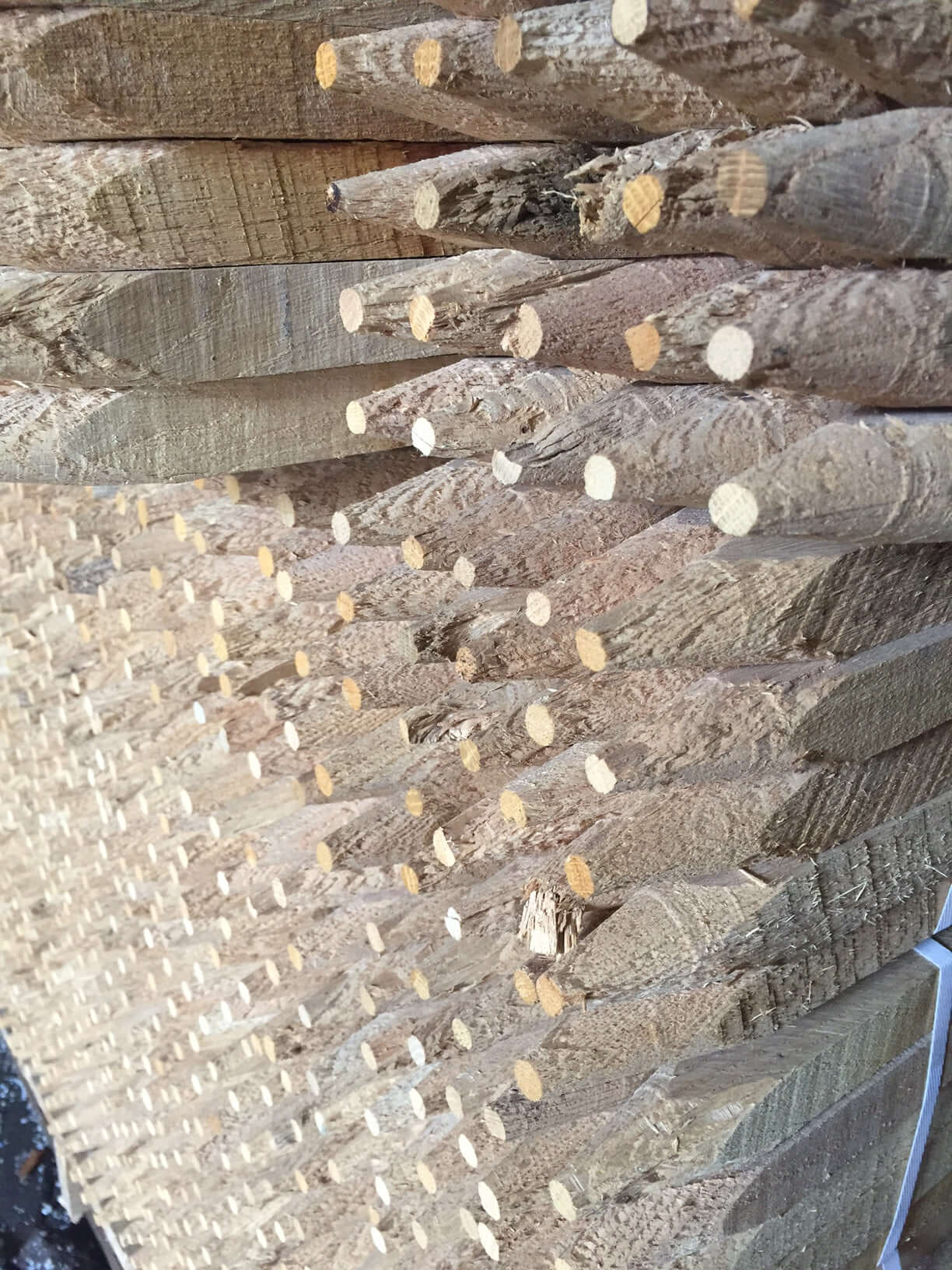
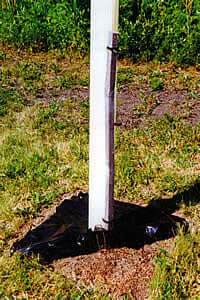
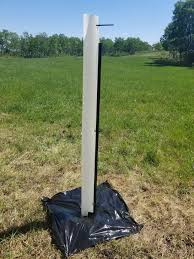
Watch out: bamboo stakes are not recommended with tubes 36 inches or taller, because they do not last long enough.
How to Plant an Apple Tree and Use Planting Aids Correctly
Follow these steps for a strong start.
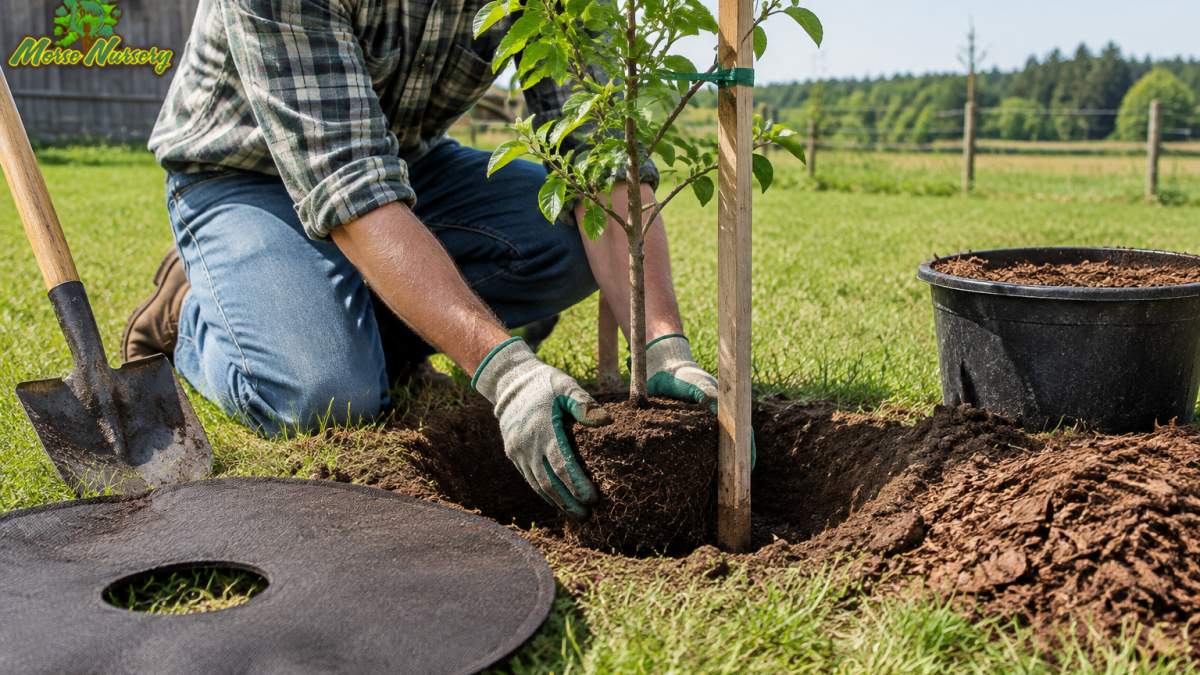
- Dig a wide hole. Make it two to three times the width of the root ball and no deeper than the root ball itself.
- Position the tree. Set the graft union just above soil level so it does not sink.
- Backfill and firm the soil. Fill around the roots gently and press out air pockets.
- Add the fertilizer pack. Place it in the hole before backfilling, away from direct root contact.
- Install the stake. Drive it 14 to 16 inches into the ground, beside the trunk.
- Attach the tube and weed mat. Slide the tube over the tree and lay the mat around the base.
- Water deeply. Soak the root zone right after planting and keep the soil moist through the first season.
New leaves and growth are a common sign that roots have settled.
How Far Apart to Plant Apple Trees and Pruning Young Fruit Trees
Spacing depends on rootstock and variety, but most home orchardists plant standard apple trees 15 to 20 feet apart in rows. Dwarf and semi-dwarf trees can go closer. Give each tree room for full sun and air flow, which reduces disease. Leaving enough room for sunlight and airflow also makes routine pruning and other tree care easier to manage with Anderson Tree Care.
Prune young trees lightly in their first years. Remove broken or crossing branches, and shape the tree to a strong central leader or open center. Heavy pruning early slows establishment, so keep cuts modest until the tree is well rooted.
Last Updated: November 10, 2026
Frequently Asked Questions
What should you put in the hole when planting a fruit tree?
Keep the planting hole backfill close to the native soil you dug out. Mix in only modest amounts of compost if your soil is very poor, and avoid heavy fertilizer packed against the roots. A slow-release fertilizer pack such as Nutra Pro (16-8-8) can be placed in the hole, one pack per 1 inch of trunk caliber, so nutrients release gradually as moisture reaches the root zone. Set the tree so the graft union sits at or slightly above soil level, then firm the soil gently and water it in thoroughly.
Should you stake a newly planted fruit tree?
Stake a newly planted fruit tree when it is exposed to wind, sits on a slope, or has a weak trunk. Use a stake about the same length as the tube or guard, and drive it 14 to 16 inches into the ground so the top part of the tube does not need direct support. Treated pine and white oak stakes are common choices, and white oak can be driven into hard or rocky soil that softer stakes cannot penetrate. Tie the trunk loosely so it can still sway slightly, which helps it build strength. Remove ties once the tree is established, usually after the first growing season or two.
How often should you water a newly planted fruit tree?
Water a newly planted fruit tree deeply right after planting, then keep the root zone evenly moist through the first season. In dry weather this usually means watering two to three times a week, adjusting for rainfall and soil type. Mulch or a weed mat such as Weed Pro helps the soil hold moisture for longer and cuts down on competition from weeds, so you water less often. Check moisture a few inches down before each watering, and avoid soaking soil so heavily that roots sit in standing water.